
Latest
2027 Elections: Will 1979 Reincarnate Next Year? Nigeria’s Political Reality

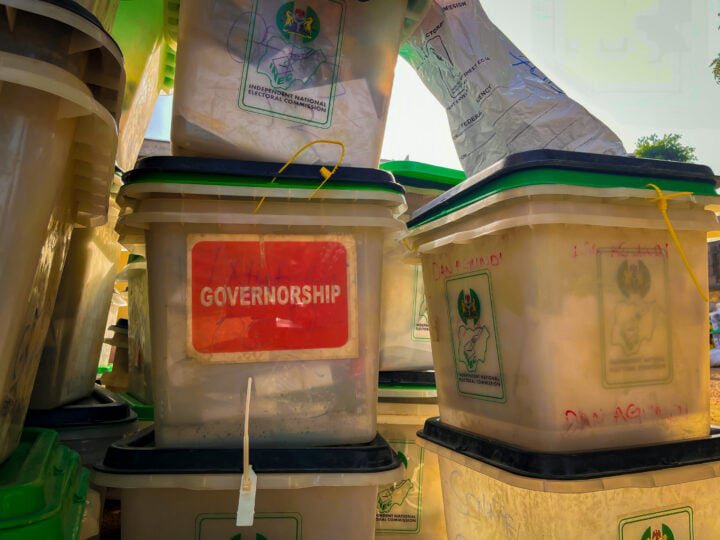
His comments have since sparked intense analysis across political circles, raising one big question: can the 1979 election pattern truly repeat itself in 2027?
Tambuwal’s 1979 Comparison and the 2027 Election Prediction
Senator Aminu Tambuwal recently suggested that the 2027 presidential election may resemble the 1979 race that brought Shehu Shagari to power under controversial circumstances.
He referenced the structure of that election, which featured five major candidates spread across Nigeria’s regional divides, arguing that a similar political alignment could emerge in 2027.
According to him, the contest may involve multiple strong contenders from both the North and South, potentially leading to a fragmented vote pattern similar to what was witnessed in 1979.
However, analysts and commentators argue that while the comparison is interesting, it may not fully capture the complexity of modern Nigerian politics.
The 1979 Election Context in Nigerian History
The 1979 presidential election remains one of the most referenced elections in Nigeria’s political history.
It featured major political figures such as:
Shehu Shagari (NPN)
Obafemi Awolowo (UPN)
Nnamdi Azikiwe (NPP)
Aminu Kano (PRP)
Waziri Ibrahim (GNPP)
That election took place after years of military rule and was marked by a strong national desire to return to civilian governance.
The outcome was highly debated, especially around the interpretation of the constitutional requirement for winning the presidency, leading to legal disputes and political tension.
Why 2027 Cannot Simply Repeat 1979
Despite surface-level similarities, modern political realities make a direct comparison difficult.
Today’s Nigeria operates under very different conditions, including a larger population, more complex political structures, and stronger digital influence on elections.
Unlike 1979, where political communication was largely physical and media-driven, 2027 elections will be shaped heavily by:
Social media influence
Real-time digital campaigning
Data-driven political strategies
Expanded voter registration systems
This makes the idea of a direct “replay” of 1979 politically unrealistic.
Key Political Players Shaping the 2027 Landscape
Current projections suggest that the 2027 presidential race may involve major political figures such as:
Bola Tinubu (APC, Lagos)
Peter Obi (NDC, Anambra)
Atiku Abubakar (ADC, Adamawa)
These names already dominate early political discussions, with analysts speculating on regional vote patterns and possible alliances.
Some political observers also point to the possible influence of new entrants and governors who may reshape vote distribution across key states.
However, unlike in 1979, political competition today is influenced by party structures, media narratives, and economic conditions rather than purely regional alignments.
Major Differences Between 1979 and 2027 Elections
One of the strongest arguments against the “1979 replay theory” is the difference in national context.
In 1979, Nigeria was emerging from:
13 years of military rule
Post-civil war national reconciliation
A smaller and less complex population structure
The electoral body at the time, FEDECO, was widely regarded as relatively stable and credible, led by respected officials such as Chief Victor Ovie-Whisky.
In contrast, modern elections are conducted under intense scrutiny, political tension, and widespread allegations of institutional distrust.
Today’s electoral environment is also shaped by:
High political polarization
Legal disputes over election outcomes
Stronger media and public pressure
These factors make modern elections structurally different from those of the Second Republic.
Economic Reality: A Game-Changer in 2027
Another major difference lies in Nigeria’s economic condition.
In 1979, Nigeria had a relatively stable middle-income economy with a growing middle class and lower levels of poverty.
By contrast, today’s Nigeria faces:
High inflation
Rising unemployment
Increased cost of living
Greater economic hardship among voters
This economic reality plays a direct role in elections, influencing voter behavior in ways that were less pronounced in 1979.
Political analysts argue that economic pressure has increased the role of material incentives in elections, making modern voting patterns more complex and less predictable.
Institutional Trust and Electoral Confidence
In 1979, public trust in institutions was relatively higher, and the transition process was driven by a strong desire for democratic restoration.
Today, however, trust in institutions such as electoral bodies and the judiciary is more contested.
Modern elections are often surrounded by debates on:
Election credibility
Court rulings on political disputes
Allegations of electoral manipulation
Public confidence in results
These challenges add another layer of complexity that did not exist in the same form in 1979.
Why the 1979–2027 Comparison Falls Short
While Senator Aminu Tambuwal’s comparison is politically interesting, many analysts believe it oversimplifies Nigeria’s current reality.
The 1979 election was shaped by a transitional democracy context, while 2027 will take place in a fully established but highly competitive political system.
Modern elections are influenced by:
Stronger incumbency advantages
Advanced political campaigns
Economic pressures
Digital political engagement
These factors make it unlikely for history to simply repeat itself in the same structure or outcome.
The idea that the 2027 elections will mirror the 1979 presidential race makes for an interesting political discussion, but it does not fully reflect Nigeria’s current political and economic realities.
While there may be similarities in regional dynamics and candidate spread, the differences in governance structure, voter behavior, institutional trust, and economic conditions are too significant to ignore.
Ultimately, Nigeria’s 2027 election will be shaped by its present challenges, not its past patterns.
The conclusion is clear: 1979 is unlikely to reincarnate in 2027.


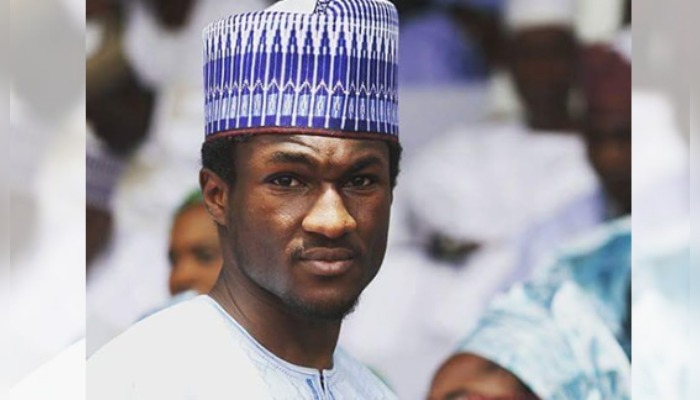
Yusuf Buhari, son of former President Muhammadu Buhari, has won the All Progressives Congress (APC) ticket for the Sandamu/Daura/Mai’adua Federal Constituency ahead of the 2027 elections.
He polled 5,849 votes to defeat his closest rival, Auwal Lawal Daura, who scored 21 votes.
The result confirms him as APC’s candidate for the House of Representatives seat in the 2027 general elections.
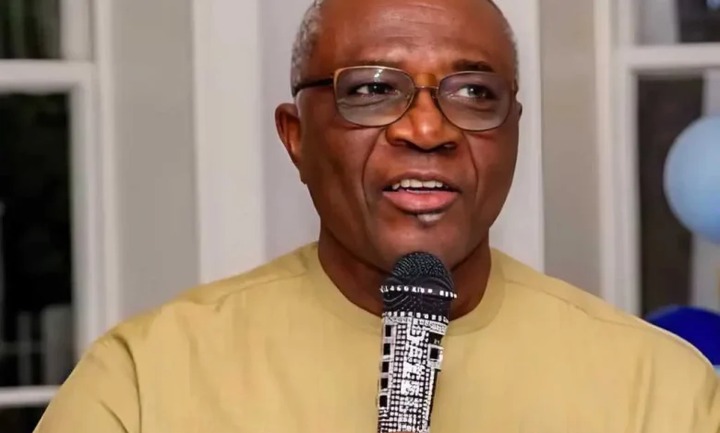
The clarification comes amid rising public debate and skepticism surrounding the announcement of the high-profile counterterrorism strike reportedly authorized with support from international partners.
According to the Presidency, earlier claims linking Al-Manuki to a 2024 operation in Kaduna State were the result of mistaken identity and intelligence misattribution.
Presidency Clarifies ISIS Commander Al-Manuki Kill Report
The controversy centers on Abu-Bilal Al-Manuki, a senior ISWAP figure who was reportedly eliminated in a joint military operation involving Nigerian forces and the United States.
Special Adviser to President Bola Tinubu on Information and Strategy, Bayo Onanuga, addressed the issue in a post on X (formerly Twitter), stating that previous reports of Al-Manuki’s death in 2024 were inaccurate.
He explained that intelligence officials had now confirmed the earlier listing of the commander among those killed during operations around the Birnin Gwari forest axis was incorrect.
According to him, the error was due to “mistaken identity or misattribution in the fog of sustained counterinsurgency operations.”
How the Confusion Over Al-Manuki’s Death Happened
The Presidency explained that the earlier assumption about Al-Manuki’s death stemmed from ongoing military operations targeting insurgent groups across northern Nigeria.
Reports had previously suggested that he was among ISWAP commanders killed in a 2024 operation in Kaduna State. However, security agencies now say that assessment was wrong.
Bayo Onanuga stated that intelligence gathered after further surveillance revealed that Al-Manuki was not operating within the Birnin Gwari axis at the time of the earlier operation.
Officials now believe the earlier identification was a case of battlefield confusion, which is not uncommon in prolonged counterterrorism operations.
Details of the Latest Nigeria–US Military Operation
The Presidency confirmed that the most recent operation that led to Al-Manuki’s death followed months of intelligence gathering.
This included surveillance, communications monitoring, and intercepted phone data reportedly collected from December 2025.
Security operatives also tracked movements across several locations, including Abuja and Maiduguri, before the final strike was authorized.
Authorities initially aimed to capture the target alive, but the mission was later escalated into a kinetic strike based on operational assessments.
According to officials, multiple verification stages were completed before the action was approved.
They maintained that this time, the intelligence was precise and confirmed.
US Involvement and Official Statements
The operation was also linked to United States forces operating in coordination with Nigerian security agencies.
Former US President Donald Trump reportedly announced the strike on his Truth Social platform, describing Al-Manuki as a major global terrorist figure and a key ISWAP commander.
US defense officials also confirmed that he played a major role in coordinating attacks, hostage operations, and financial networks linked to ISIS activities in the Sahel region.
Footage reportedly released by US Africa Command showed precision strikes targeting high-value militant positions in northeastern Nigeria.
Government Reaction and National Security Position
The Nigerian government has defended the credibility of the operation, emphasizing the importance of international collaboration in fighting terrorism.
President Bola Tinubu also reacted to the development, describing the operation as a significant blow to extremist networks operating in the region.
He praised the cooperation between Nigerian forces and international allies, particularly in intelligence sharing and operational execution.
The Presidency warned that misinformation or repeated doubts about verified military operations could undermine public confidence in national security efforts.
Background of Abu-Bilal Al-Manuki
According to available intelligence profiles, Abu-Bilal Al-Manuki, also known by multiple aliases, was born in 1982 in Mainok, Borno State.
He was reportedly designated a Specially Designated Global Terrorist by the United States Department of State in June 2023.
Security reports suggest he rose through the ranks of ISWAP following the killing of Mamman Nur in 2018 and later became linked to ISIS-aligned operational networks across Nigeria and the Sahel.
He was allegedly involved in coordinating attacks, logistics, and financial operations within extremist structures in the region.
Public Concerns and Historical Context
The clarification from the Presidency has revived public discussions about past cases where terrorist leaders were wrongly declared dead during military operations.
Nigeria has previously experienced similar controversies, including claims involving Boko Haram leadership, where reports of deaths were later disputed or reversed.
These incidents have fueled public skepticism, especially regarding high-profile security announcements.
However, authorities insist that modern intelligence systems, including surveillance and signal tracking, now reduce the chances of such errors.
The Presidency’s dismissal of claims that ISIS commander Abu-Bilal Al-Manuki was previously declared dead highlights ongoing challenges in counterterrorism reporting and intelligence accuracy.
While officials maintain confidence in the latest operation, the incident underscores the complexities of verifying battlefield intelligence in prolonged insurgency environments.
As Nigeria continues its partnership with international allies in fighting extremist groups, authorities stress the need for public trust and accurate reporting in national security matters.
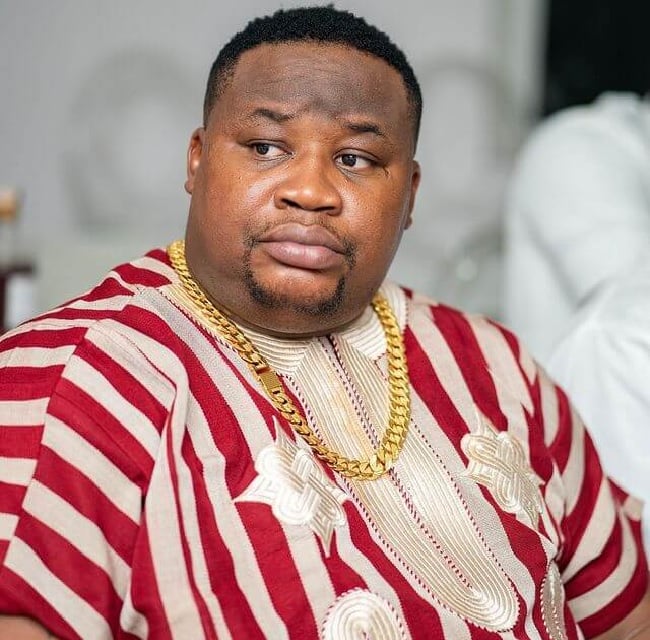
The political ambition of Nigerian socialite and businessman Cubana Chief Priest has taken a setback after he failed to secure the All Progressives Congress (APC) ticket for the Orsu/Orlu/Oru East Federal Constituency seat in Imo State ahead of the 2027 general elections.
The news has sparked widespread discussion across Nigeria’s political and entertainment spaces, especially considering his popularity, business influence, and strong social media presence.
For many Nigerians, this development raises an important question: can celebrity influence translate into political success in a competitive electoral system like Nigeria’s?
Cubana Chief Priest and APC Ticket Ambition in Nigerian Politics
The phrase Cubana Chief Priest APC ticket loss has become a trending political discussion following the party primaries.
Cubana Chief Priest had publicly declared his interest in contesting for a seat in the House of Representatives under the APC platform. His ambition was centered around representing the Orsu/Orlu/Oru East Federal Constituency in Imo State.
He purchased the party’s nomination and expression of interest forms, signaling a serious political move beyond entertainment and nightlife entrepreneurship.
His entry into politics generated significant attention, particularly among young Nigerians who viewed his ambition as a possible bridge between youth culture and governance.
However, despite his popularity and strong backing from supporters within his social network, the APC primary election eventually did not go in his favor, as he failed to secure the party’s ticket for the 2027 election cycle.
Why His Political Move Attracted National Attention
The attempt by Cubana Chief Priest to enter politics was not an ordinary development in Nigeria’s political landscape.
First, he is widely known as a socialite and businessman with strong influence in nightlife entertainment and youth culture. This gave him a unique visibility that many traditional politicians do not possess.
Second, his involvement in the South-East City Boy Movement and his public engagement with youth empowerment conversations positioned him as more than just an entertainer.
Third, in Nigeria’s evolving political space, celebrities entering politics is becoming more common, which naturally increases public curiosity and media attention.
However, political analysts often argue that popularity alone does not guarantee electoral success, especially within party structures like the APC where internal primaries are highly competitive.
Understanding the APC Primary Election Outcome
The APC primary election for the Orsu/Orlu/Oru East Federal Constituency was part of broader preparations for the 2027 general elections.
During the process, aspirants competed for the party’s endorsement to represent the constituency at the federal level. While Cubana Chief Priest participated in the contest, he was unable to secure enough delegate support to win the ticket.
The final vote breakdown and official declaration of the winner were still being finalized at the time of reporting, but the outcome confirmed that another candidate emerged as the party’s preferred representative.
This result highlights how party politics in Nigeria often depends on delegate influence, political structures, grassroots networks, and long-term engagement rather than public popularity alone.
What This Means for Celebrity Participation in Nigerian Politics
The loss of the APC ticket by Cubana Chief Priest adds to the ongoing debate about celebrity involvement in governance.
In Nigeria, celebrity politicians often attract attention because of their fame, but elections require deeper political machinery. Factors such as party loyalty, constituency relationships, and internal negotiations play a major role in determining outcomes.
This situation shows that while celebrity influence can help create awareness, it does not automatically translate into electoral victory.
It also reflects the complexity of Nigeria’s political system, where experience, structure, and strategic alliances are often more important than popularity.
Reactions From Nigerians and Political Observers
The news of the Cubana Chief Priest APC ticket loss has generated mixed reactions across social media platforms.
Supporters of the businessman argue that his ambition represented a positive step toward youth inclusion in politics. They believe that more young entrepreneurs should participate in governance to bring fresh ideas and energy.
On the other hand, critics argue that political offices require experience, policy understanding, and grassroots political engagement, which celebrity figures may need time to develop.
Political observers have also noted that his entry into the race alone was significant, as it reflects a growing trend of non-traditional politicians attempting to reshape Nigeria’s political landscape.
Lessons From His Political Experience
The journey of Cubana Chief Priest in the APC primaries offers several important lessons for aspiring politicians in Nigeria:
One key lesson is that political success requires more than popularity. Even strong public recognition must be supported by internal party structures and grassroots influence.
Another lesson is the importance of early political engagement. Building trust within a constituency takes time and consistent involvement, not just campaign season visibility.
It also shows that Nigerian politics is highly competitive, especially within major parties like the APC, where internal elections can be as intense as general elections.
Future Political Possibilities
Although he did not secure the APC ticket, this development does not necessarily mark the end of his political journey.
Many Nigerian politicians have faced initial setbacks before eventually securing elective positions in later attempts. Political ambition often requires persistence, strategic repositioning, and deeper engagement with party structures.
For Cubana Chief Priest, the next steps will likely depend on whether he continues within the APC structure or re-strategizes his political approach ahead of future elections.
Conclusion
The loss of the APC ticket by Cubana Chief Priest highlights the realities of Nigerian politics, where popularity alone is not enough to guarantee electoral success. While his ambition brought significant attention and sparked public debate, the outcome of the primaries reinforces the importance of structure, experience, and political groundwork.
As Nigeria moves closer to the 2027 elections, this development will continue to serve as a case study on celebrity involvement in politics and the challenges of transitioning from entertainment influence to formal governance.
-

 Latest3 months ago
Wike Declares End to Rift with Governor Fubara Following Tinubu’s Peace Intervention
-

 Latest3 months ago
Ex-ADC National Woman Leader Kayauta Yakubu Officially Joins APC in Abuja
-

 Latest3 months ago
El-Rufai Accuses Akpabio of Driving Electoral Act Amendment Controversy [Video]
-

 Latest2 months ago
JUST IN: Fuel Prices Drop Again as NNPCL, Dangote Cut Rates Across Nigeria
-

 Latest2 months ago
How Police Uncovered ₦100m Loot and Arrested 10 Suspects
-

 Latest3 months ago
IPOB Condemns Anambra Government for Sealing Shops During Monday Sit-at-Home
-

 Latest3 months ago
Okonjo-Iweala Raises Alarm Over Fake AI Video Impersonating Her
-

 Latest3 months ago
Tinubu Says Terrorism Is Alien to Nigeria, Keeping Leaders Awake at Night