
News
Crisis: Pastor Adeboye’s Church Receives Backlash Over Tinubu-Branded Bus Amid Ongoing Attacks on Christian Communities


A video circulating online showing members of the Redeemed Christian Church of God (RCCG) praying over and commissioning a white bus bearing President Bola Ahmed Tinubu’s “Renewed Hope” slogan has sparked widespread criticism among Nigerian Christians.
In the footage, congregants are seen treating the vehicle as a spiritual asset, offering prayers and dedicating it in a manner typically reserved for church property or perceived divine provisions. Reports indicate the bus was obtained through a government empowerment initiative or a donation linked to the ruling All Progressives Congress (APC) at one of the church’s branches.
The development has drawn sharp reactions, with many questioning what they view as a growing closeness between the church leadership, particularly Pastor Enoch Adeboye, and the current administration. Critics argue that praying over a politically branded item sends a troubling message about the church’s independence.
The controversy comes at a sensitive time, as Christian communities in parts of northern and north-central Nigeria continue to grapple with deadly attacks. States such as Plateau, Benue, Southern Kaduna, and Taraba have witnessed repeated violence, with victims largely drawn from farming communities. Advocacy groups and human rights organisations have consistently raised concerns over what they describe as inadequate government response to the crisis.
For many observers, the imagery of a church celebrating a branded bus contrasts sharply with the ongoing mourning in affected regions. The juxtaposition has intensified frustration among those who believe religious institutions should be more vocal in addressing insecurity.
Some critics have also pointed to what they perceive as a reduced level of public advocacy from prominent Christian leaders under the current administration, compared to previous governments. They interpret the bus dedication as a sign of possible political alignment or compromise.
One widely shared reaction captured the sentiment, stating that while communities face violence, attention appears to be shifting toward political symbolism within religious spaces.
However, others have defended the church, arguing that accepting donations for ministry purposes does not necessarily equate to endorsing a political party. They note that religious organisations often receive support from various sources and that such contributions can be used for legitimate operational needs. Supporters also emphasise that RCCG is a vast organisation with numerous branches, and actions at a single location may not reflect the official stance of the entire church.
Despite these arguments, critics maintain that the issue goes beyond the donation itself. They point to the political branding, the timing, and the manner of presentation as factors that blur the boundary between religious practice and political messaging.
The situation highlights an ongoing debate within Nigeria’s Christian community about how the church should relate to political authority. While some advocate for strict independence and a prophetic role that challenges power, others believe engagement with political actors is necessary to secure influence and resources.
The incident has also fueled speculation about early positioning ahead of the 2027 elections, with suggestions that political actors may be leveraging religious platforms to build support among voters.
As reactions continue to unfold, many Nigerian Christians are closely observing how religious institutions navigate their role in a period marked by both political activity and persistent security challenges. The broader implications, analysts suggest, will depend on whether the church is seen as standing with vulnerable communities or aligning with those in power.


News
JUST IN: Heavy Police Presence at Aso Rock as Sowore Plans #OccupyAsoRock Protest Over School Kidnapping
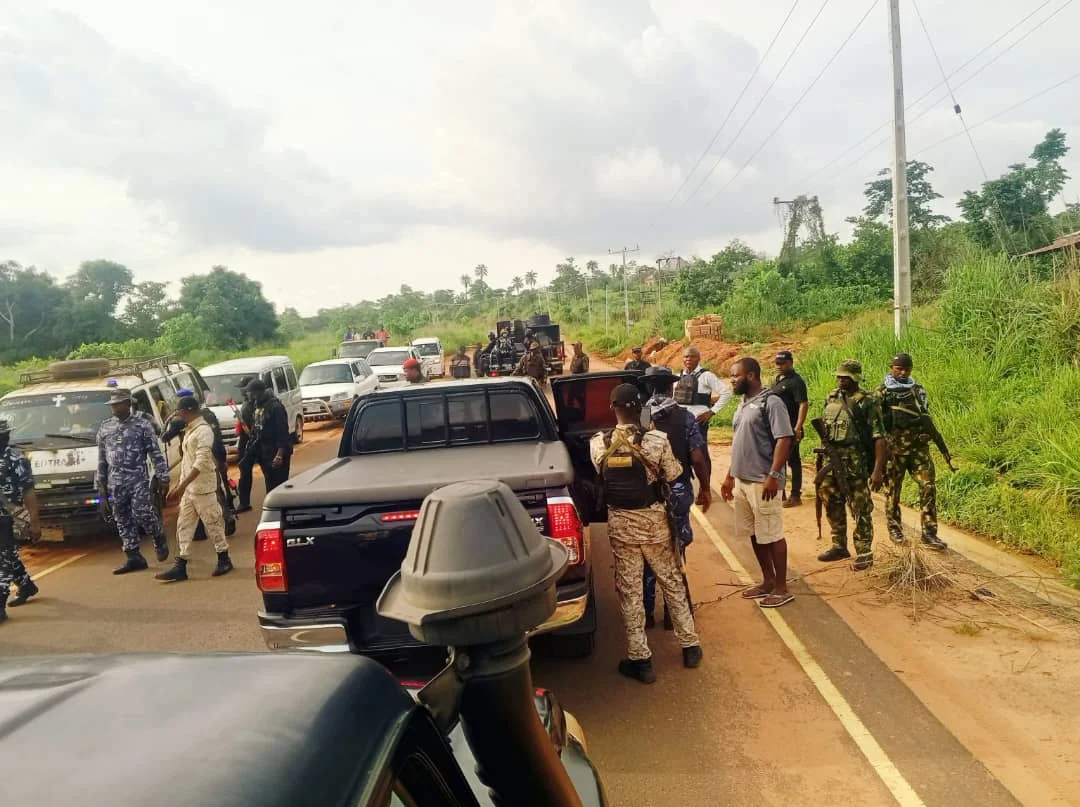
Aso Rock Heavily Fortified as Police Block Sowore’s Planned Protest March
Security was significantly reinforced around the Presidential Villa in Abuja on Thursday as anti-riot police officers sealed off key access points to Aso Rock amid a planned protest led by activist and African Action Congress presidential candidate, Omoyele Sowore.
The heightened security comes ahead of a scheduled march under the hashtag #OccupyAsoRock, which Sowore said would demand urgent government action over the recent wave of school kidnappings across Nigeria.
Heavy Security Deployment at Presidential Villa
Eyewitnesses reported a strong presence of armed anti-riot officers stationed at the main entrance of the State House, with access tightly restricted to individuals carrying official identification tags.
Security operatives were seen forming barricades at strategic points, effectively blocking movement into the Presidential Villa area. Several individuals without clearance were turned back.
The development followed intelligence suggesting a planned protest march targeting the seat of power over the government’s handling of recent abductions in parts of the country.
Sowore’s Planned #OccupyAsoRock Protest
Sowore had earlier announced that members of the African Action Congress (AAC) and the Take It Back Movement would march from Eagle Square to the Presidential Villa at 8:00 a.m. on Thursday.
He said the protest was triggered by the continued captivity of schoolchildren and other victims of abductions in Oyo and Borno states, insisting that the government had failed in its constitutional duty to protect citizens.
According to him, the demonstration was not merely symbolic but a demand for urgent action, including the immediate rescue of abducted students or accountability from the presidency.
He also referenced President Bola Tinubu’s role as Commander-in-Chief, arguing that failure to secure citizens amounted to a breach of leadership responsibility.
Rising Tension Over Nationwide Kidnappings
The planned protest is linked to recent mass abductions recorded on May 15, 2026, when armed attackers seized students and teachers from multiple schools in Oyo State, including Community Grammar School, Baptist Nursery and Primary School, and L.A. Primary School.
On the same day, another attack in Borno State led to the abduction of dozens of pupils from Mussa Primary and Junior Secondary School in Askira-Uba.
Government Response and Security Measures
In response to the incidents, the Federal Government deployed a high-level delegation led by Chief of Staff Femi Gbajabiamila, alongside top security officials including the National Security Adviser, the Inspector-General of Police, and the Chief of Defence Staff.
Authorities have since approved the recruitment of 1,000 forest guards and intensified rescue operations using both kinetic and non-kinetic strategies.
Meanwhile, the Nigeria Union of Teachers (NUT) has declared an indefinite strike in Oyo State, while solidarity protests have spread across several parts of the country.
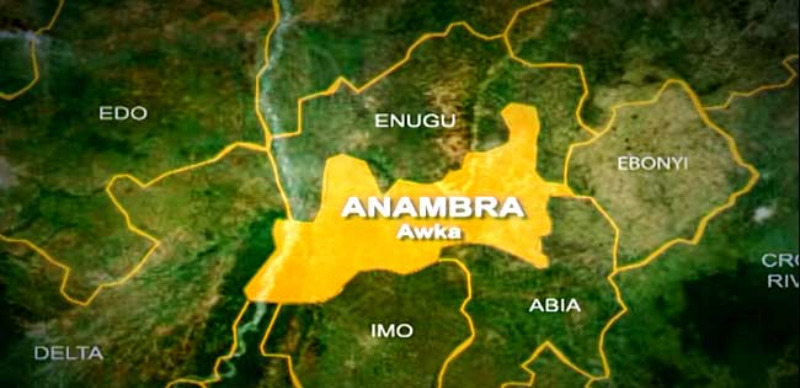
The Anambra State government has promised to deliver justice for a 16-year-old girl who was repeatedly gang-raped by eight men, including her legal guardian, in the Nawfia community of Njikoka Local Government Area.
State Commissioner for Women Affairs and Social Welfare, Esther Onyekesi, made the declaration on Thursday when the teenage victim was brought to her office in Awka. The commissioner, visibly overcome with emotion, wept openly as she listened to the survivor’s account.
Onyekesi vowed that all perpetrators involved in what she described as a “dastardly act” would face the full weight of the law, stating that such prosecutions would serve as a critical deterrent to others who might exploit vulnerable young women.
Victim’s Guardian Among Suspects
According to the teenager’s testimony, her guardian had been forcing himself on her every night before other men joined in the repeated sexual assaults. The guardian’s wife, the victim disclosed, suffers from a stroke and was physically incapable of intervening to stop the abuse.
A medical report presented to the commissioner confirmed the devastating physical consequence of the assaults: the 16-year-old is now two months pregnant.
Catholic Priest Intervenes
The case came to official attention through a Catholic priest from Nawfia community, who learned of the abuse and immediately intervened on the victim’s behalf. The priest facilitated bringing the teenager to the commissioner’s office for protection.
Police Investigation Underway
The victim told Commissioner Onyekesi that a “Good Samaritan” had orchestrated her rescue from the abusive situation last week, leading to initial arrests before she was taken to safety at the ministry.
Police at the Nawfia Division have arrested two of the eight suspects, according to the victim. The remaining six are currently at large and being pursued by law enforcement authorities. The case is now being handled at the Nawfia Police station.
Government Response
Speaking with visible outrage, Commissioner Onyekesi condemned the crime in the strongest possible terms.
“The state government condemns this act in strong terms, and the ministry will ensure that all perpetrators in this dastardly act are brought to justice to serve as a deterrent to others,” Onyekesi said.
She expressed deep distress over the level of trauma the teenager had endured at the hands of adults entrusted with her protection, calling the situation “unacceptable.”
“We urge men to protect women and young girls, rather than take advantage of their vulnerability,” the commissioner added. “The ministry assured the victim of her safety and pledged to follow the case diligently to ensure justice is served.”
Previous Incident in the Area
The case emerges against a backdrop of growing concern over sexual violence in the region. In May, the body of 60-year-old Victoria Adegoke was discovered abandoned in a nearby bush. The woman was found naked, with authorities suspecting she had been raped and strangled before her body was dragged from the scene.
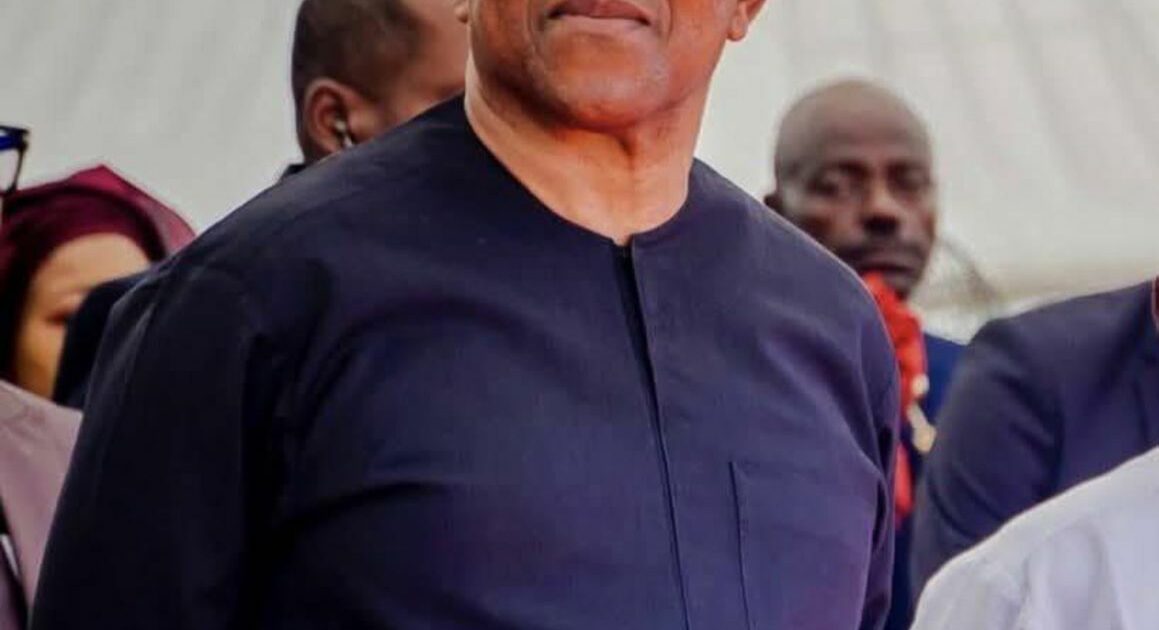
He warned that political actors often exploit identity-based narratives when they struggle to compete on ideas, saying such tactics were evident during the 2023 elections and continue in more subtle forms today.
Obi defended Adeboye, describing him as a respected religious leader who has consistently preached peace and unity, and said it was unfair to expect an 84-year-old cleric to take on responsibilities that belong to younger Nigerians.
He also urged young people to verify information before sharing it, resist manipulation, and focus on unity and national development rather than division.
In short: the message was both a defence of Adeboye and a broader warning against ethnic-driven political narratives online.
-

 News2 months ago
How Police Uncovered ₦100m Loot and Arrested 10 Suspects
-

 News4 months ago
Wike Declares End to Rift with Governor Fubara Following Tinubu’s Peace Intervention
-

 News4 months ago
Ex-ADC National Woman Leader Kayauta Yakubu Officially Joins APC in Abuja
-

 News2 months ago
JUST IN: Fuel Prices Drop Again as NNPCL, Dangote Cut Rates Across Nigeria
-

 News4 months ago
Tinubu Says Terrorism Is Alien to Nigeria, Keeping Leaders Awake at Night
-

 News4 months ago
El-Rufai Accuses Akpabio of Driving Electoral Act Amendment Controversy [Video]
-

 News4 months ago
Okonjo-Iweala Raises Alarm Over Fake AI Video Impersonating Her
-

 News4 months ago
IPOB Condemns Anambra Government for Sealing Shops During Monday Sit-at-Home