
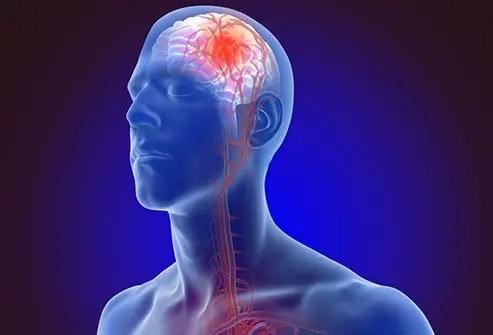
A stroke occurs when blood flow to part of the brain is interrupted, depriving brain cells of oxygen and nutrients. It is a medical emergency that requires immediate treatment. Early intervention can reduce brain damage and improve recovery.
Possible Effects of a Stroke
Depending on the area of the brain affected, a stroke can lead to:
- Weakness or paralysis on one side of the body
- Difficulty speaking, understanding speech, swallowing, or eating
- Problems with memory, thinking, and decision-making
- Emotional changes, including depression and mood swings
- Numbness or loss of sensation in parts of the body
Four Things to Limit to Help Reduce Stroke Risk
1. High-Sodium Processed Foods
Many canned soups, instant noodles, and processed foods contain large amounts of sodium. Excess sodium can raise blood pressure, which is one of the leading risk factors for stroke. Whenever possible, choose low-sodium options and eat more fresh foods.
2. Excessive Alcohol
Heavy alcohol consumption can increase blood pressure, trigger irregular heart rhythms, and raise the risk of both ischemic and hemorrhagic strokes. If you drink alcohol, do so in moderation according to medical guidelines.
3. Processed Meats
Foods such as bacon, sausages, hot dogs, salami, and other processed meats are often high in sodium and preservatives. Frequent consumption has been linked to an increased risk of cardiovascular disease and stroke. Consider replacing processed meats with healthier protein sources.
4. Excess Red Meat
Eating large amounts of red meat, especially fatty cuts, may increase the risk of heart disease and stroke. Replacing some red meat with fish, poultry, beans, nuts, and other plant-based proteins can support better cardiovascular health.
Other Ways to Lower Your Stroke Risk
- Maintain healthy blood pressure.
- Exercise regularly.
- Eat plenty of fruits, vegetables, whole grains, and lean proteins.
- Avoid smoking.
- Manage diabetes and high cholesterol.
- Maintain a healthy weight.
- Attend regular medical check-ups, especially if you have risk factors.
Taking care of your heart is one of the best ways to protect your brain. A healthy lifestyle, combined with regular medical care, can significantly reduce your risk of stroke…..See More